Packing for a week at camp with the Boy Scouts of America requires thoughtful preparation, especially when it comes to food and refrigerated medication. While most scout camps provide meals in a dining hall, there are situations—such as patrol cooking, specialty dietary needs, or travel days—when bringing and properly storing food becomes essential. Careful planning helps ensure that everything stays safe, fresh, and effective throughout the trip.
Perishable Vs Nonperishable Prep
 When packing food, start by understanding what is practical and permitted at camp. Nonperishable snacks are usually the best choice. Items such as granola bars, trail mix, beef jerky, crackers, peanut butter, and dried fruit hold up well in warm weather and do not require refrigeration. If a scout has specific dietary needs, include shelf-stable options like lactose-free milk boxes, gluten-free bread products, or ready-to-eat tuna pouches. Foods that melt easily, such as chocolate, or spoil quickly, such as soft cheeses, should be avoided unless you have reliable cold storage.
If perishable foods are necessary—such as sandwich meats, cheese, yogurt, fresh fruit, or pre-cooked meals—they must be stored properly in a high-quality cooler. Food safety guidelines recommend keeping perishable items below 40°F (4°C). Before packing, pre-chill the cooler overnight with a bag of ice to lower the internal temperature. This step helps the cooler maintain safe conditions longer once food is added.
Maintaining Refrigerated Items
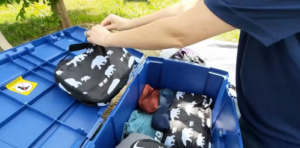 Using cooler ice packs, also known as frozen gel packs, is more effective than loose ice in many cases. Ice packs last longer and prevent food from becoming soggy as they melt. For extended trips, frozen water bottles are also useful. They serve as additional cooling sources and provide cold drinking water once thawed. When loading the cooler, place ice packs on the bottom, then add the most temperature-sensitive items like meat and dairy (sealed tightly in waterproof bags). Place less perishable items on top and fill empty spaces with extra ice packs or crumpled newspaper to reduce air circulation.
Keep the cooler in the shade and open it only when necessary. Using a separate cooler for drinks can help maintain a colder temperature in the main food cooler, since beverage coolers are opened more frequently. These small steps greatly extend the life of your ice packs and protect the safety of your food.
Refrigerated medication requires even greater attention. Some scouts attend camp with medications that must remain chilled, including insulin or certain liquid antibiotics. Families should notify camp leadership and the health officer ahead of time so proper storage can be arranged. Most established camps have medical refrigerators available for this purpose.
Travel To And From Camp
During travel, pack medication in a clearly labeled, waterproof container inside a small dedicated cooler with several frozen ice packs. Do not place medication directly against the ice packs, as freezing can damage it. Instead, wrap it in cloth or place a layer of cardboard between the medication and the ice packs. If possible, include a thermometer to monitor the temperature and carry copies of prescriptions and dosing instructions in a waterproof bag.
With careful preparation and smart packing techniques, scouts can focus on outdoor adventures instead of worrying about spoiled food or compromised medication. Proper use of cooler ice packs, thoughtful organization, and coordination with camp staff help ensure a safe and successful camping experience.