For decades, the phrase “camp food” has carried an unfortunate stigma, often conjuring images of bland meals, overcooked vegetables, and repetitive menus designed solely for efficiency rather than enjoyment. At many people’s first memories of summer camp, meals were something to endure rather than anticipate. However, this outdated perception no longer reflects the reality at many modern Boy Scout camps, where food programs have undergone a significant transformation in both quality and creativity. Today’s camps recognize that memorable meals are a key part of the overall experience and play an important role in attracting and retaining campers.
Intentional Investment In Dining Programs
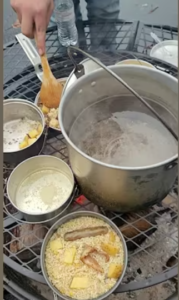 In recent years, Boy Scout camps have made intentional investments in upgrading their dining programs. Professional food service directors, trained kitchen staff, and improved facilities have replaced the bare-bones operations of the past. Menus are now thoughtfully designed to balance nutrition, flavor, and variety, ensuring that campers stay energized for physically demanding activities while still enjoying what’s on their plates. This evolution reflects a broader understanding that food is not just fuel, but also a morale booster and a powerful contributor to camp culture.
Down Home Cooking
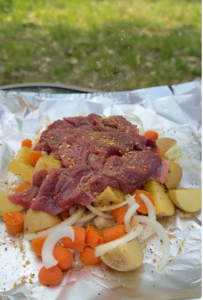 One of the most noticeable changes is the shift toward scratch cooking and higher-quality ingredients. Instead of relying heavily on prepackaged or frozen foods, many camps now prepare meals in-house, incorporating fresh produce, quality proteins, and well-seasoned recipes. This allows kitchens to accommodate dietary restrictions, cultural preferences, and allergies more effectively, creating a more inclusive dining environment. Campers who once dreaded mealtime now often find themselves surprised by how good the food actually is.
Some camps have even embraced culinary techniques typically associated with professional kitchens. Smoking meats, baking fresh bread, and curing proteins are no longer off-limits in a camp setting. Tools like the equilibrium cure calculator have made it easier and safer for camp kitchens to cure meats consistently, ensuring proper salt ratios while maintaining flavor and food safety. This level of precision not only elevates the final product but also demonstrates a commitment to modern culinary standards that rivals many institutional kitchens.
Elevating The Camp Experience
The elevation of camp food is also a strategic effort to attract more campers in an increasingly competitive landscape. Families evaluating summer programs now consider dining quality alongside safety, programming, and facilities. Positive word of mouth about surprisingly great meals can influence enrollment decisions just as much as exciting activities. When campers return home talking about the barbecue, homemade desserts, or unique themed dinners, it reshapes expectations about what “camp food” can be.
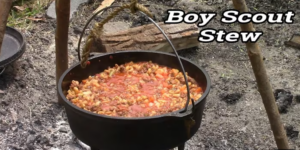
Debunking the stigma of camp food is about recognizing how far Boy Scout camps have come. By investing in skilled staff, better ingredients, and modern tools like the equilibrium cure calculator, camps are redefining the dining experience. Meals are no longer an afterthought but a highlight of the day, reinforcing camaraderie, comfort, and satisfaction. As food quality continues to rise, it not only nourishes campers but also strengthens the overall appeal of the camp itself, proving that “camp food” can be something truly worth looking forward to.